Suvarnabhumi Airport Travel Checklist: Parking, Packing and Timing
A smooth morning at the airport usually begins several days before your flight. The travelers who stroll through check-in looking relaxed aren’t luckier than everyone else. They simply sorted the practical details early, from passport checks to where the car will stay. A few small decisions made in advance can turn a frantic departure into a calm one.
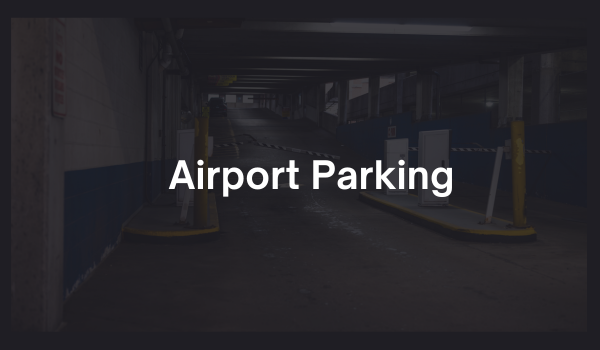
Parking is the item most people leave until the last minute, and it’s often the one that causes the most stress. If you plan to drive to Suvarnabhumi, reserve your space as soon as your dates are fixed. A lot such as New Parking, in Lat Krabang, makes this easy, and you can ติดต่อ them by phone or through LINE to book. With that settled, the rest of your preparation falls into place around it.
One Week Before Your Flight
Start with the essentials that can’t be fixed at the airport. Check that your passport is valid for the length your destination requires, and confirm any visa or entry rules for the country you’re visiting. Look over your airline’s luggage allowance too, since discovering at the check-in desk that a bag is overweight is both expensive and embarrassing.
This is also the time to decide how you’ll reach the airport. If you’re driving, book your parking now rather than on departure day. Reserving ahead means you won’t spend precious minutes circling a crowded car park, and it protects you during busy seasons such as Songkran, New Year and school holidays, when spaces fill quickly. New Parking charges 305 baht for a single day, with the rate falling to 185 baht per day for stays of seven days or more, and the airport shuttle is free for up to four passengers, so you can budget before you leave.
Two Days Before
With the big items handled, turn to the details. Check in online if your airline offers it, which can save a surprising amount of time at the terminal. Charge your phone and any power banks, download boarding passes and maps for offline use, and save your parking confirmation somewhere easy to find. It’s worth adding the lot’s phone number to your contacts now, so you aren’t searching for it later on a tired, crowded arrivals floor.
Packing deserves a little strategy as well. Keep liquids, chargers and documents in an easy-to-reach bag so you aren’t unpacking half your luggage at security. Pack a light layer for the flight, since cabins can be cold, and put a spare change of clothes in your carry-on if you’re traveling a long way. Little touches like these make the journey itself more comfortable.
The Night Before
Lay out everything you need in the morning. Keys, passports, wallets, phones and chargers should be together in one spot, so there’s no frantic hunt when you’re trying to leave on time. Set more than one alarm if you have an early flight, and eat something sensible so you’re not running on empty.
If your flight is at an awkward hour, such as the middle of the night or the crack of dawn, check that your parking lot is open then. New Parking operates twenty-four hours a day, so you can arrive and leave at any time without worrying about closing hours.
Departure Day
Leave earlier than you think you need to. Bangkok traffic can be unpredictable, particularly at peak times, and a spare half hour costs nothing while a missed check-in can cost a great deal. Aim to reach your parking lot with time in hand, since the transfer to the terminal still takes a few minutes.
When you arrive at New Parking, staff receive your car and take your details, and the lot’s roof, CCTV and security personnel look after it while you’re away. A free van then carries you and your luggage to the terminal, roughly ten to fifteen minutes away, so you skip the stress of hunting for a space and walking across a car park. Before you go, take a few quick photos of your car and remove any valuables from view. It takes two minutes and gives you a clear reference if you ever need one.
On Arrival at the Terminal
Once you’re dropped off, head straight to check-in or bag drop. Keep your documents handy and your booking confirmation accessible on your phone. If you’ve checked in online, you may be able to go directly to the baggage counter and skip the longest queues. From there, move through security and immigration at a comfortable pace, leaving yourself time to find your gate and pick up a drink or a snack before boarding.
Coming Home
Your return deserves a little planning too. As soon as you’ve cleared immigration and collected your bags, call the lot to request your shuttle, so the van is waiting by the time you reach the pickup point. After a long flight, especially a late one, this small step saves you from standing around tired and impatient. When you reach the lot, give your car a quick look over before you drive away, and then head home.
A Final Tip
Save your booking details and the lot’s location in your phone’s notes, and take a screenshot of the map. If your flight lands late or your phone battery is low, you’ll be glad to have everything within easy reach. With parking arranged, bags packed and timings sensible, the only thing left to do on departure day is enjoy the start of your trip.